Production Service
Prototypes & series production
Droplet & Airflow Devices
Laval nozzle
Design by Uni Münster
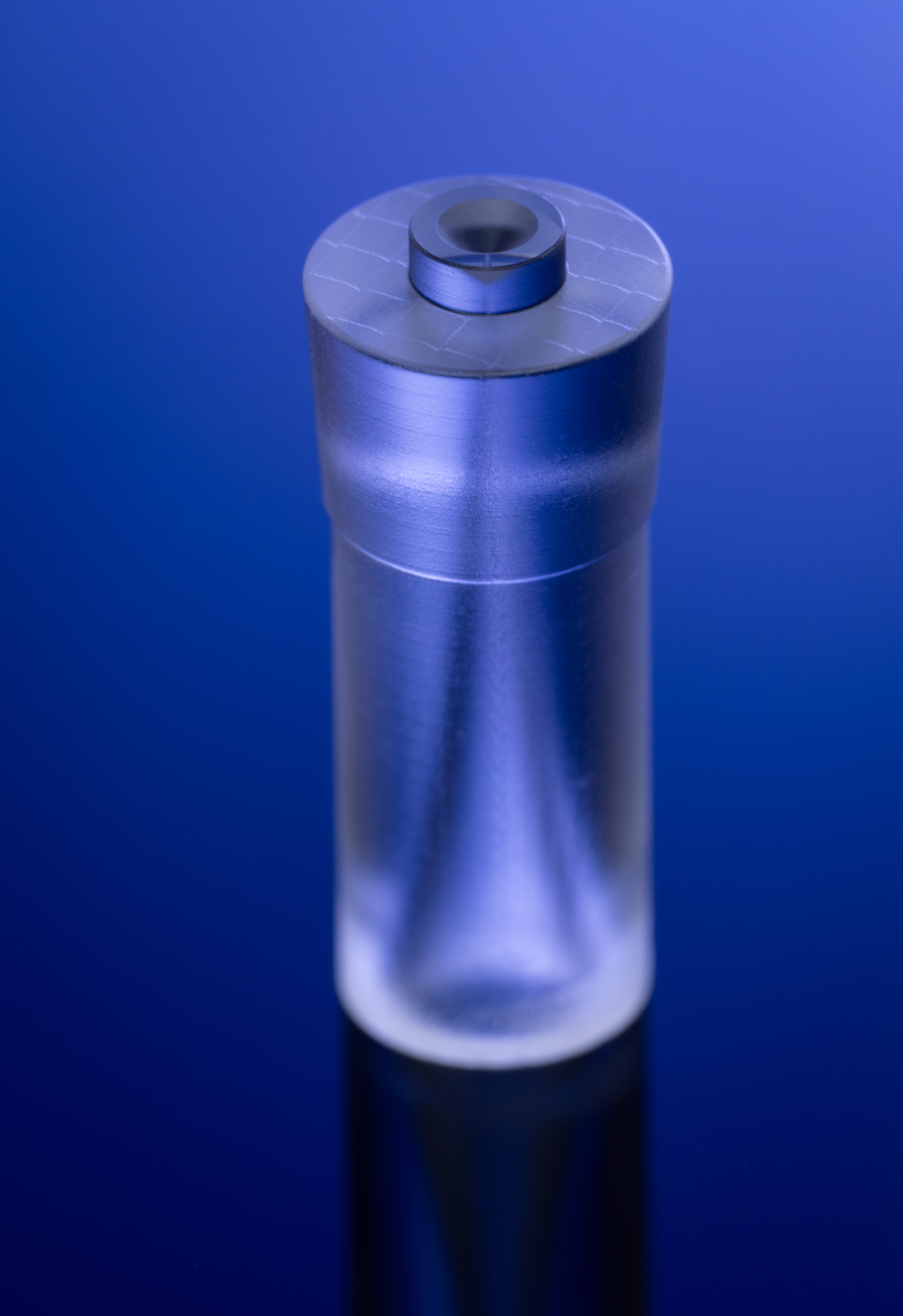
This Laval nozzle can accelerate gases and fluidics to supersonic speed.
The transparency of glass allows optical measurements to be taken during operation. Its inertness prevents any reaction with the gas during use.
The precision of the microchannel is the most important part of the nozzle. In this case the nozzle has a waist diameter of 30µm ±0,5µm
Lung simulator
Design by Dr. Manuel Reddemann, WSA RWTH Aachen
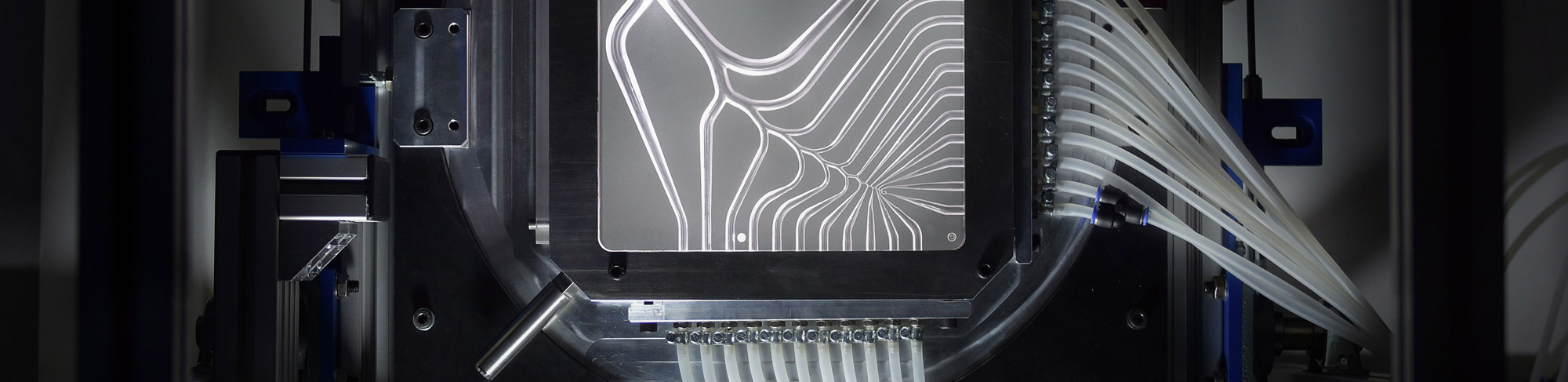
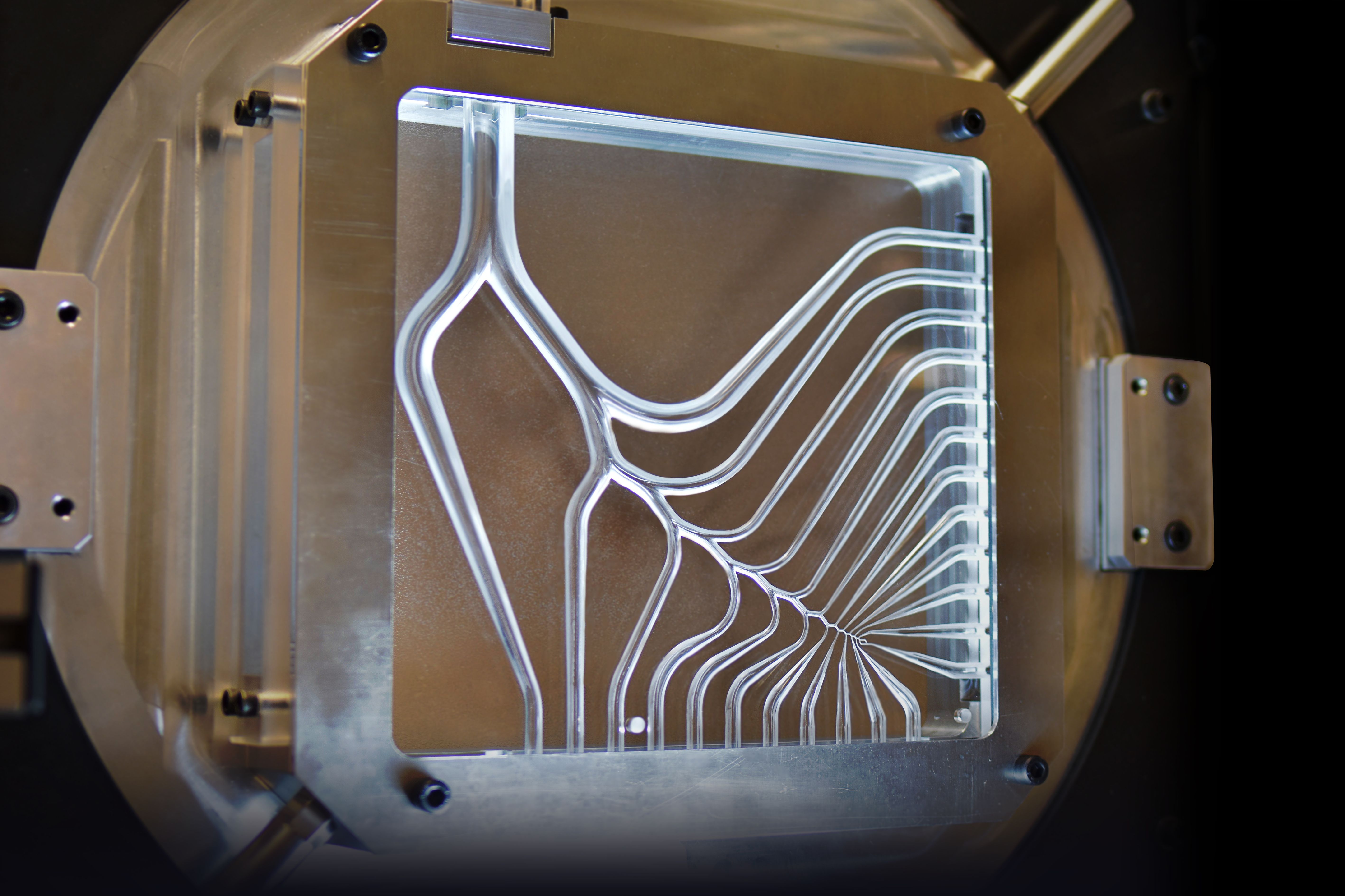
Transparent experimental model of the human airway up to the 23rd branch of the respiratory tract, responsible for the gas exchange.
The model is particularly suitable for the optical analysis of aerosol propagation and deposition. Furthermore, it can be used for the development of new aerosol/droplet based therapeutic techniques, as numerical simulations are too complex with high computational cost.
In addition to the obvious advantage of inertness compared to plastic, we can specifically optimize the roughness of the channels. In this case, the most important specification was that the roughness be as uniform as possible throughout to ensure a consistent flow.
Micromechanics
Spring mechanism
Designed for the Project “ProAuster”
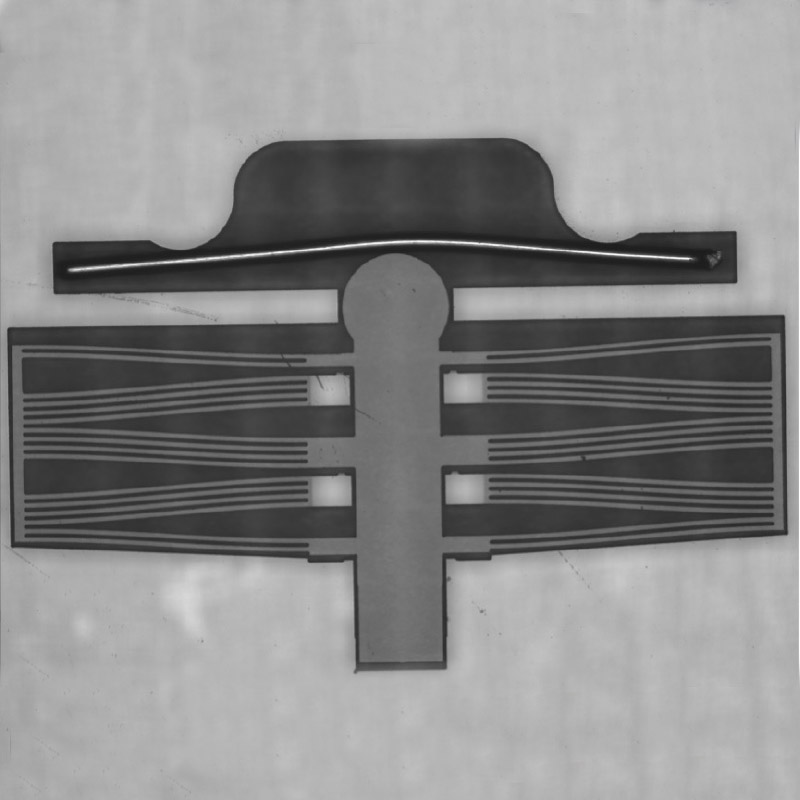
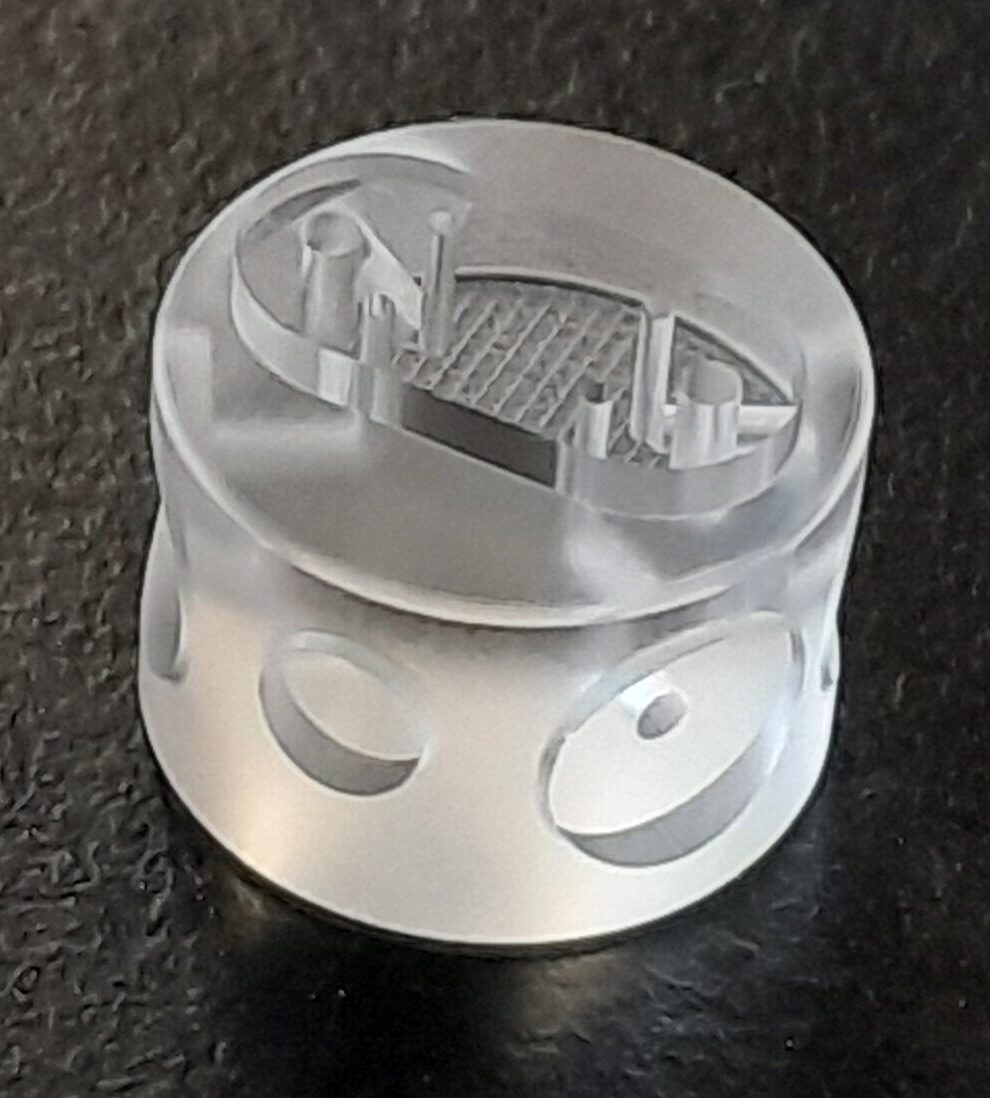
This spring mechanism is part of a sterilization cycle counter for medical products
As temperature lowers, the metal pin will bend upwards, allowing the glass spring to relax upwards, thus allowing a gear counter (not displayed in this image) to move one count forward
Glass springs are not only chemically inert, but also offer the advantage of durability compared to metals, since the material is not subject to fatigue or plastic deformation
Micro mold
Design by microGlass LLC
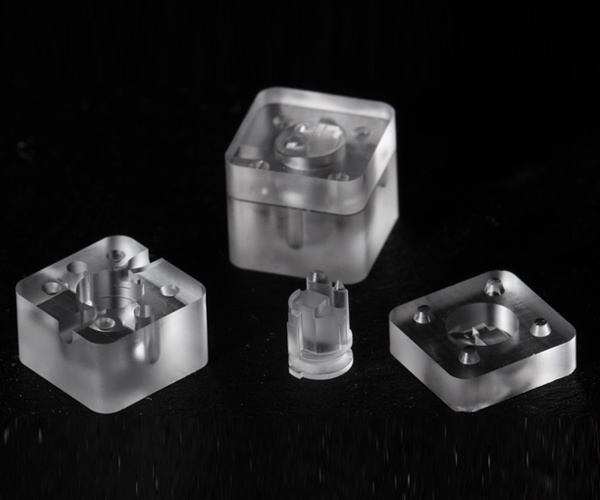
Mold for the production of endoscope tips
Glass molds are a good choice if you need:
- high temperatures during production and use
- exact lens shapes for tiny endoscope tips
- to resist scratches and harsh cleaning chemicals over time
- 1µm precision with the highest design flexibility
Endoscope head
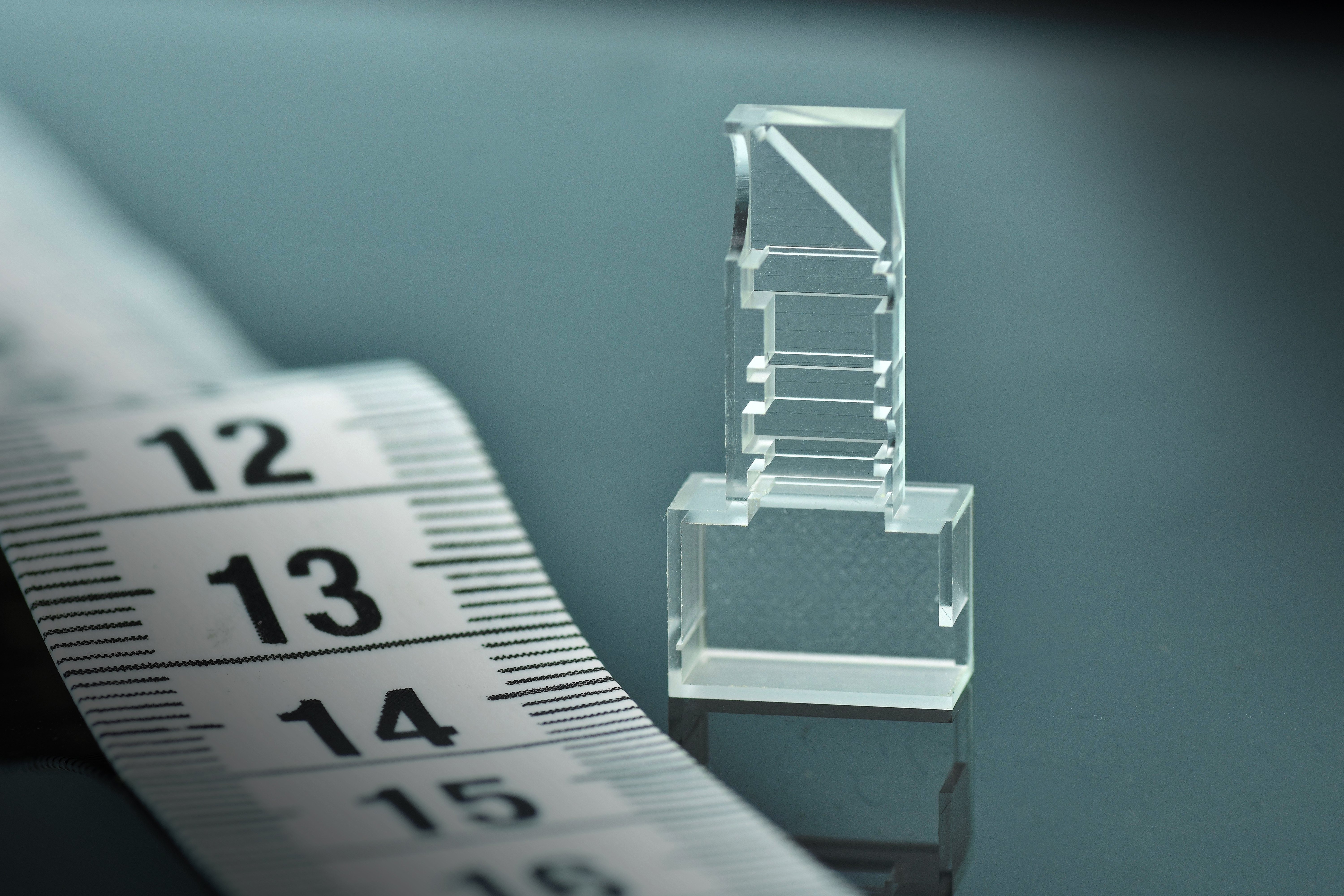
Design by IMTEK
Assembly bench for the precise placement of optical elements for medical endoscopy applications.
The pockets for the different optical elements are manufactured customised to your optical layout. Caused by the high precision the time for adjustment and assembly of your optics will be minimised
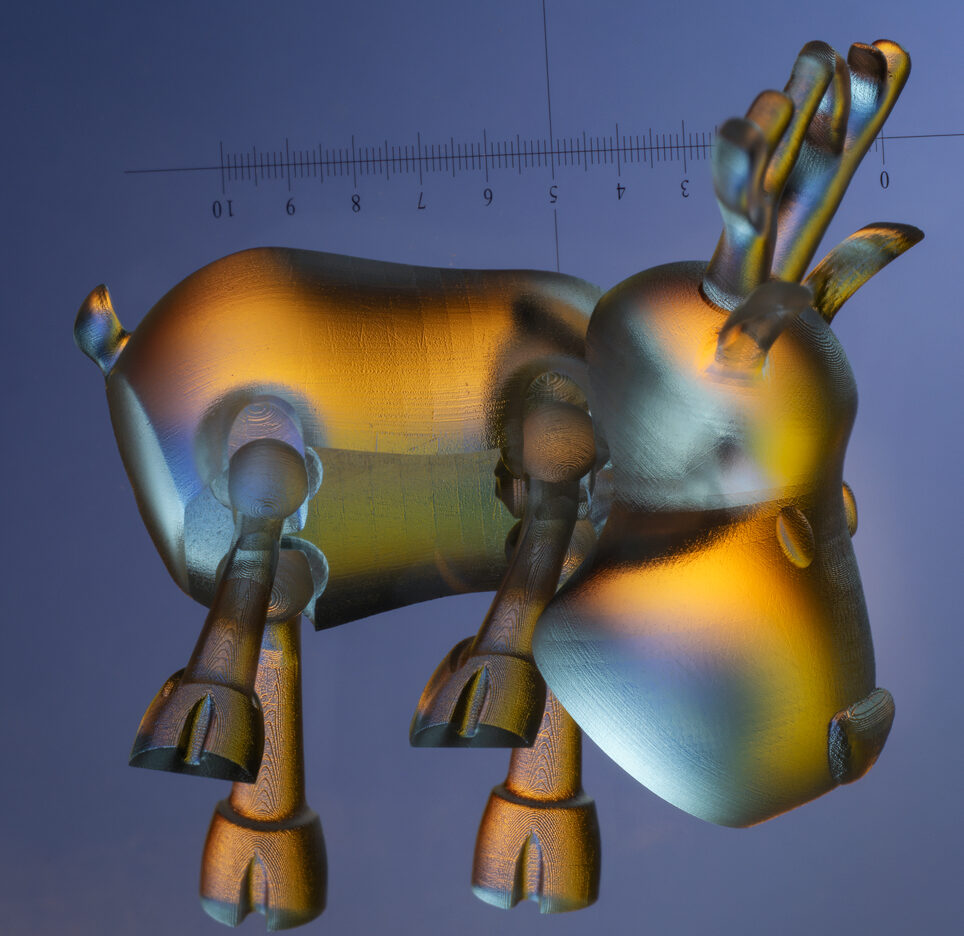
Impossible parts – ball joints, undercuts, cavities
Glass is a very rigid material, meaning that many structures could not be produced using conventional machining technologies.
Since the SLE process involves etching the excess material from the solid block, it allows for complete control over every µm³ of the glass.
This not only enables the creation of undercuts, intersecting and winding channels, but also completely airtight cavities.
In this picture you can see our reindeer mascot with 5 ball joints, allowing the legs and head to move freely.
Micro-Fluidics
| lab-on-a-chip | organ-on-a-chip | droplet generation and analysis | analytical flow chemistry | biocompatible MEMS | electrochemistry |
| biosensors | optofluidics | micro models | micro mixer | fluid dynamics | single cell analysis |
Sorter Chips
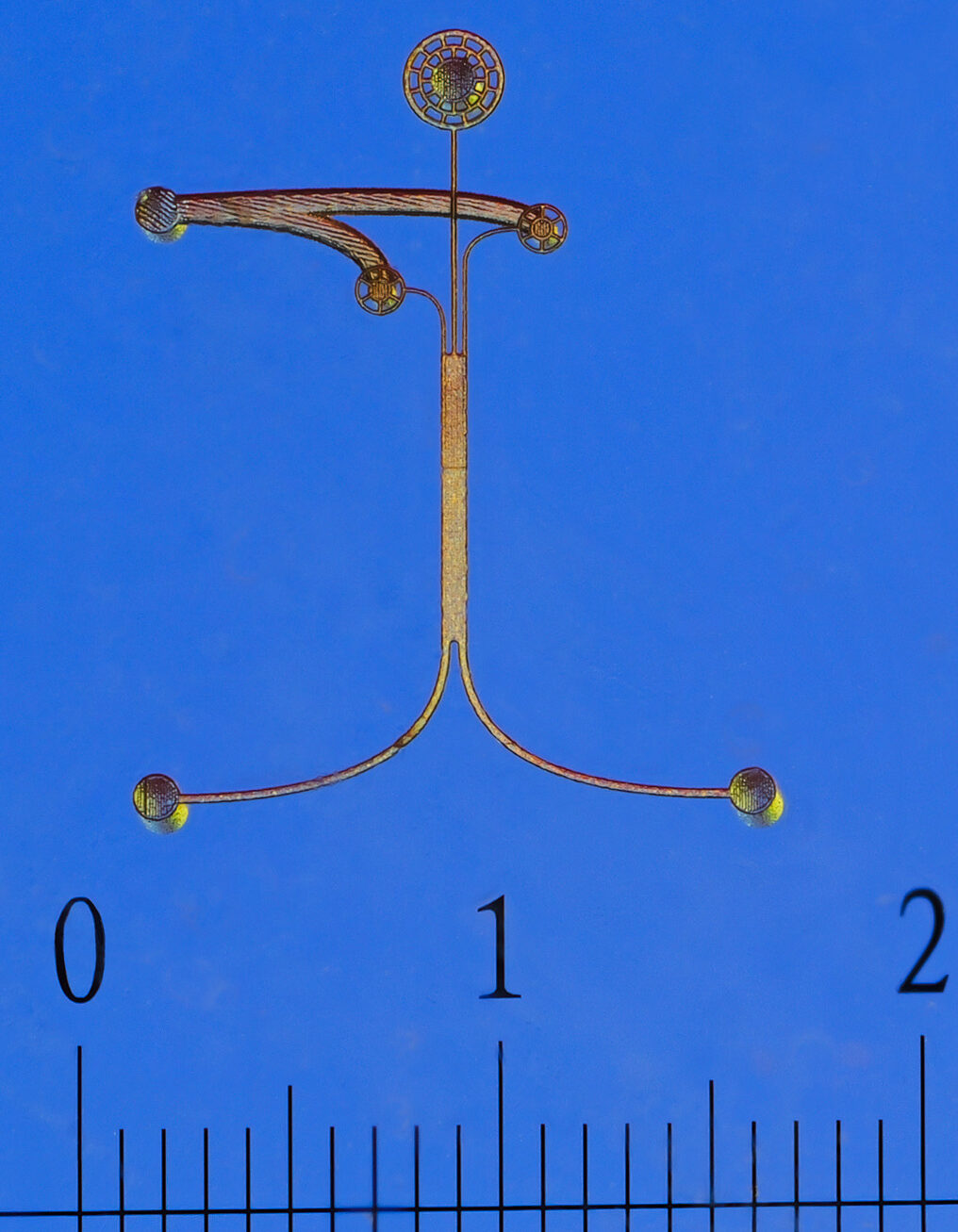
Design by Fraunhofer ILT
Spiral sorter to separate particles by gravity
Because the SLE process creates a highly controllable channel geometry with µm-level precision and a uniform surface roughness, cells and particles can be isolated with great precision
Microstructure model
Designed for Toulouse Institute of Fluid Mechanics
In this case:
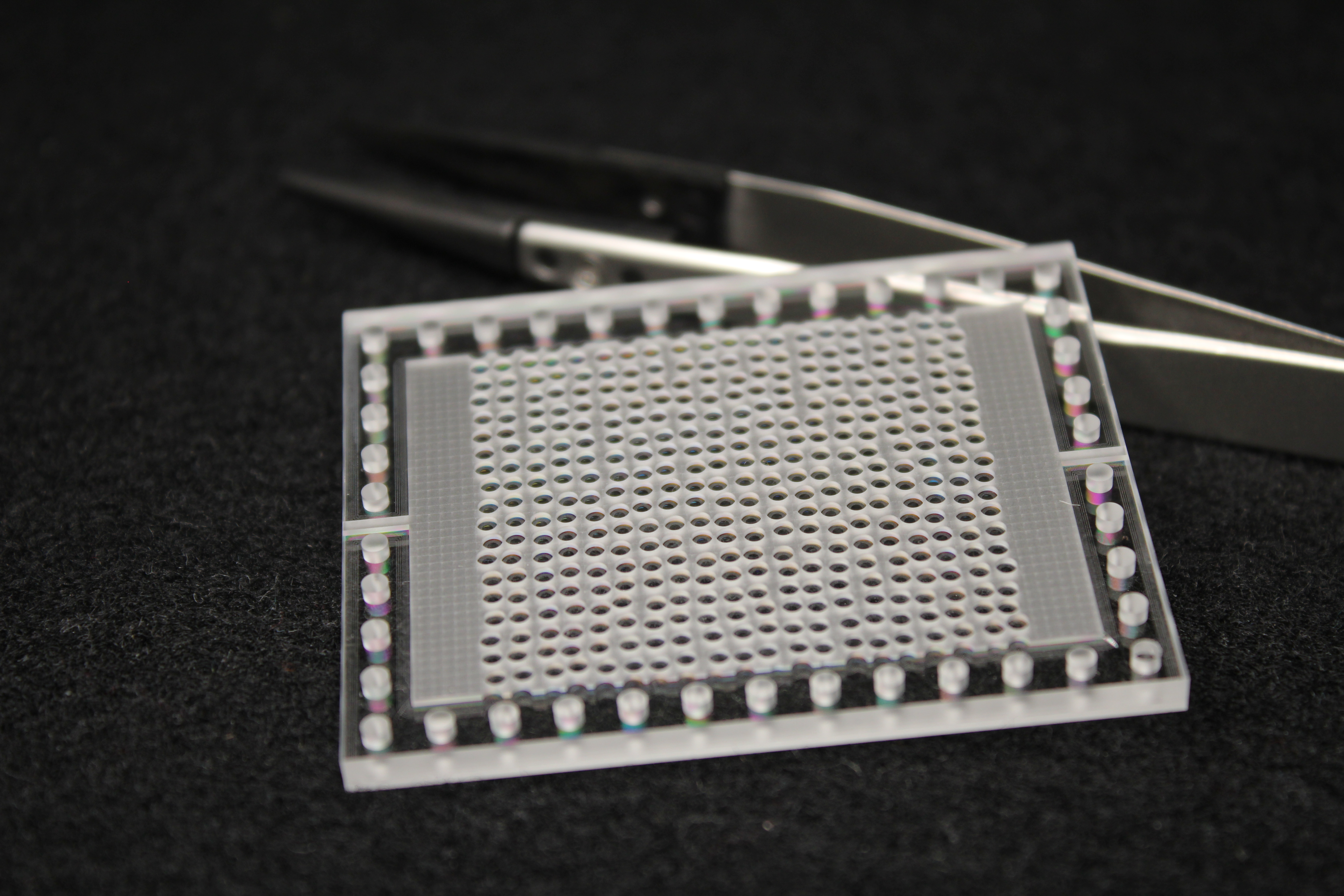
Researchers were studying multi-phase mass transport in a 2D system mimicking biodegradation of hydrocarbon in porous media.
Glass micro models provide optimal conditions for the chemo-bio-physical constrains such experiments require. It is chemically inert, thermally sterilisable and with best optical characteristics.
Analytical optofluidic
Any feature can be added to your personal fluidic device
- 3D freeform channels
- Precision up to 1µm
- Various couplings (for fiber and fluids) and threads
- Transparent lids for observation and analysis
- Optical functions like lenses and waveguides
Optics
Hollow core fiber (HCF) preforms
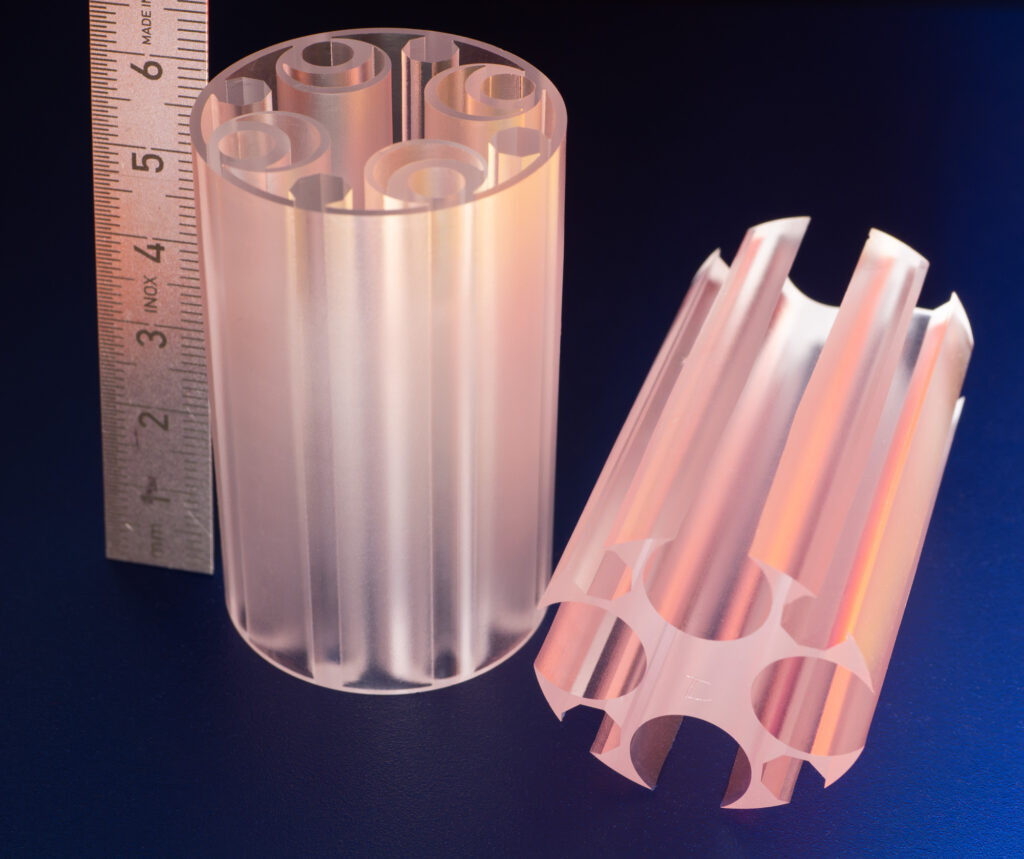
Hollow core fibers are produced by drawing HCF preforms.
Depending on your preform design, we will not only produce your features with a µm precision, but also control the roughness of the surface to your needs.
Fiber array unit
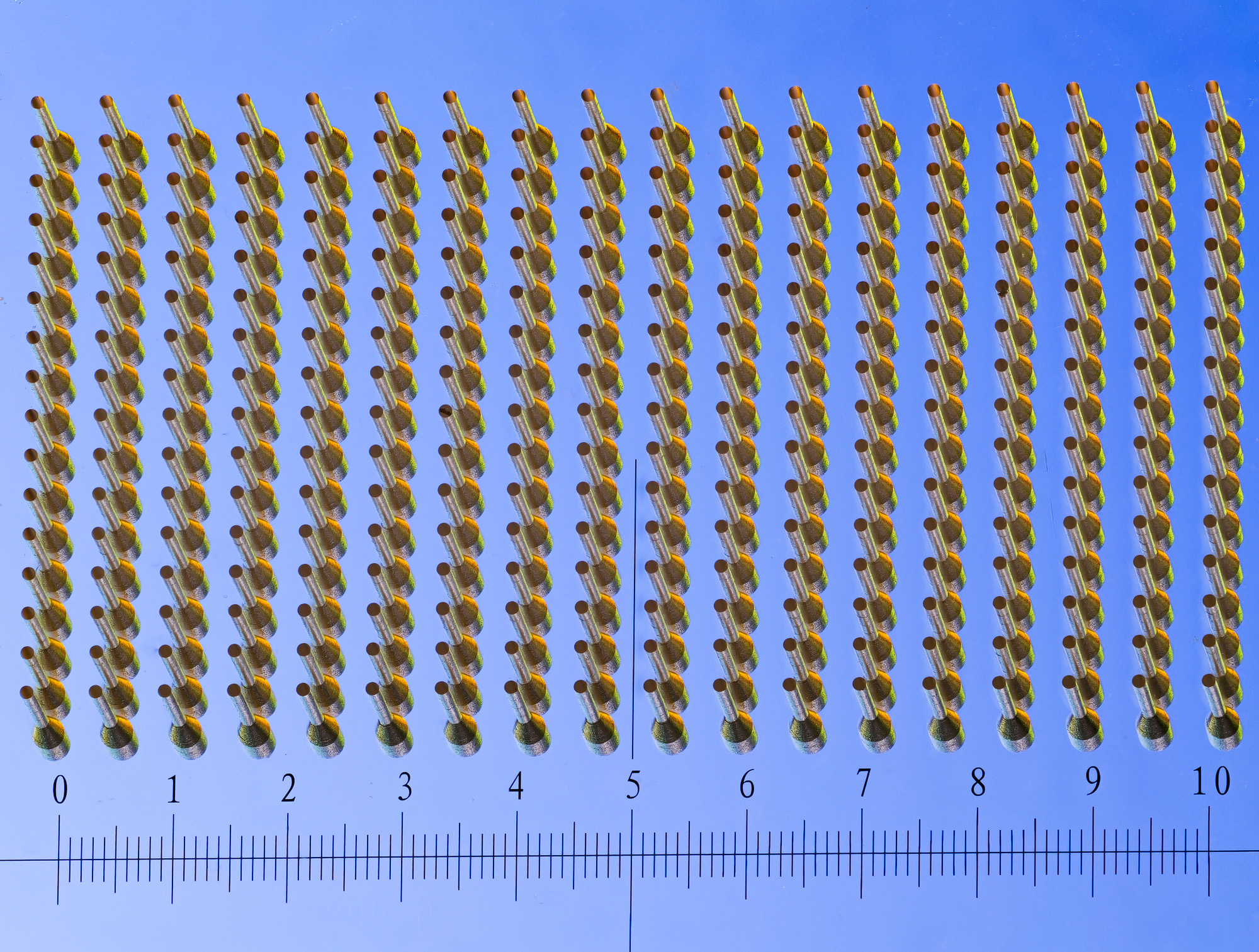
- Individual positioning of the holes
- Customized couplers
- Dimension and positioning accuracy <0.5µm
- Inhouse quality control to ensure the requested dimensions
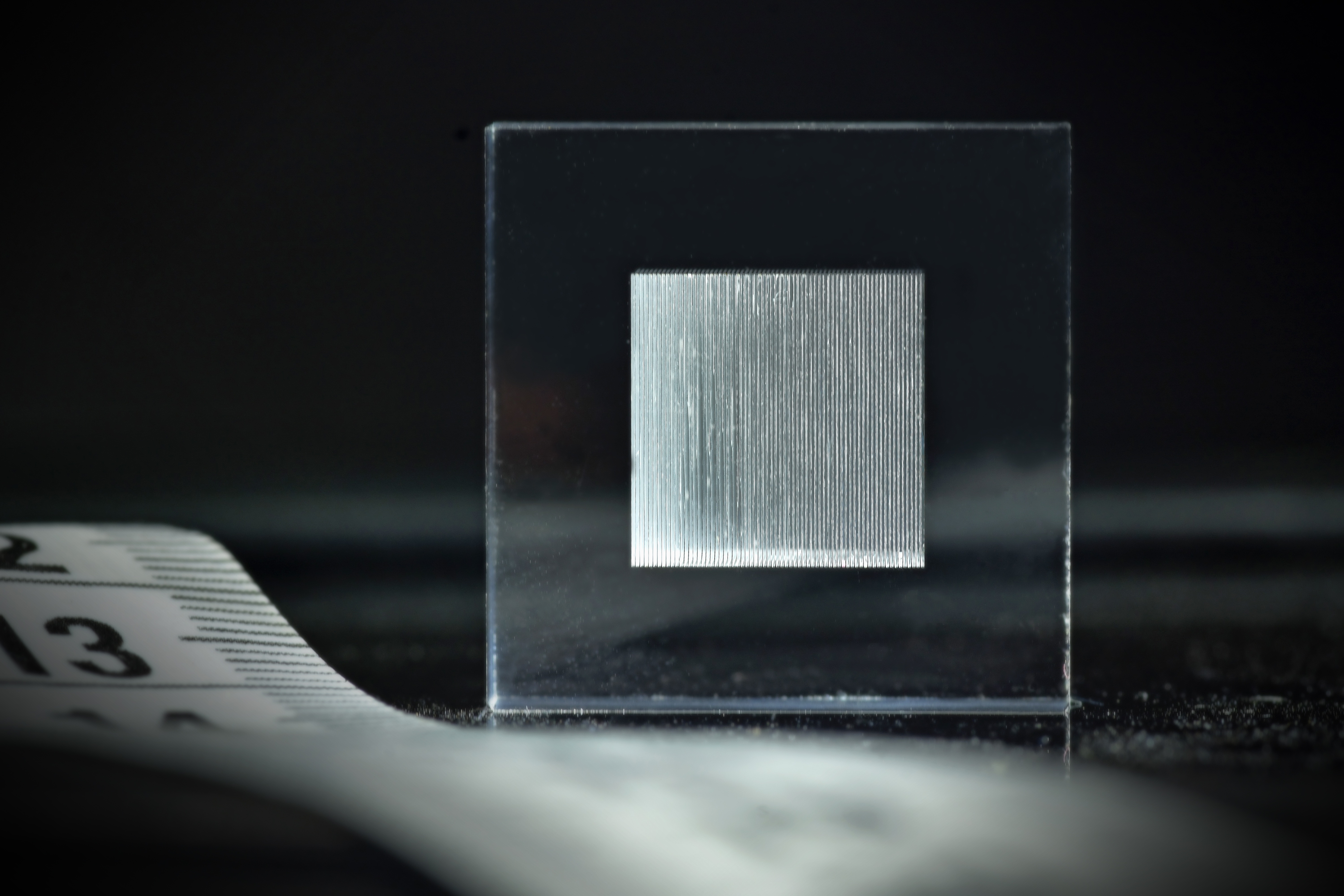
Optical funtions
Design by Uni Marburg, Prof. Martin Koch
The design of the shown high quality teraherz glass waveplate is based on form birefringence. The function requires a high precision of slits (features) in the glass material.
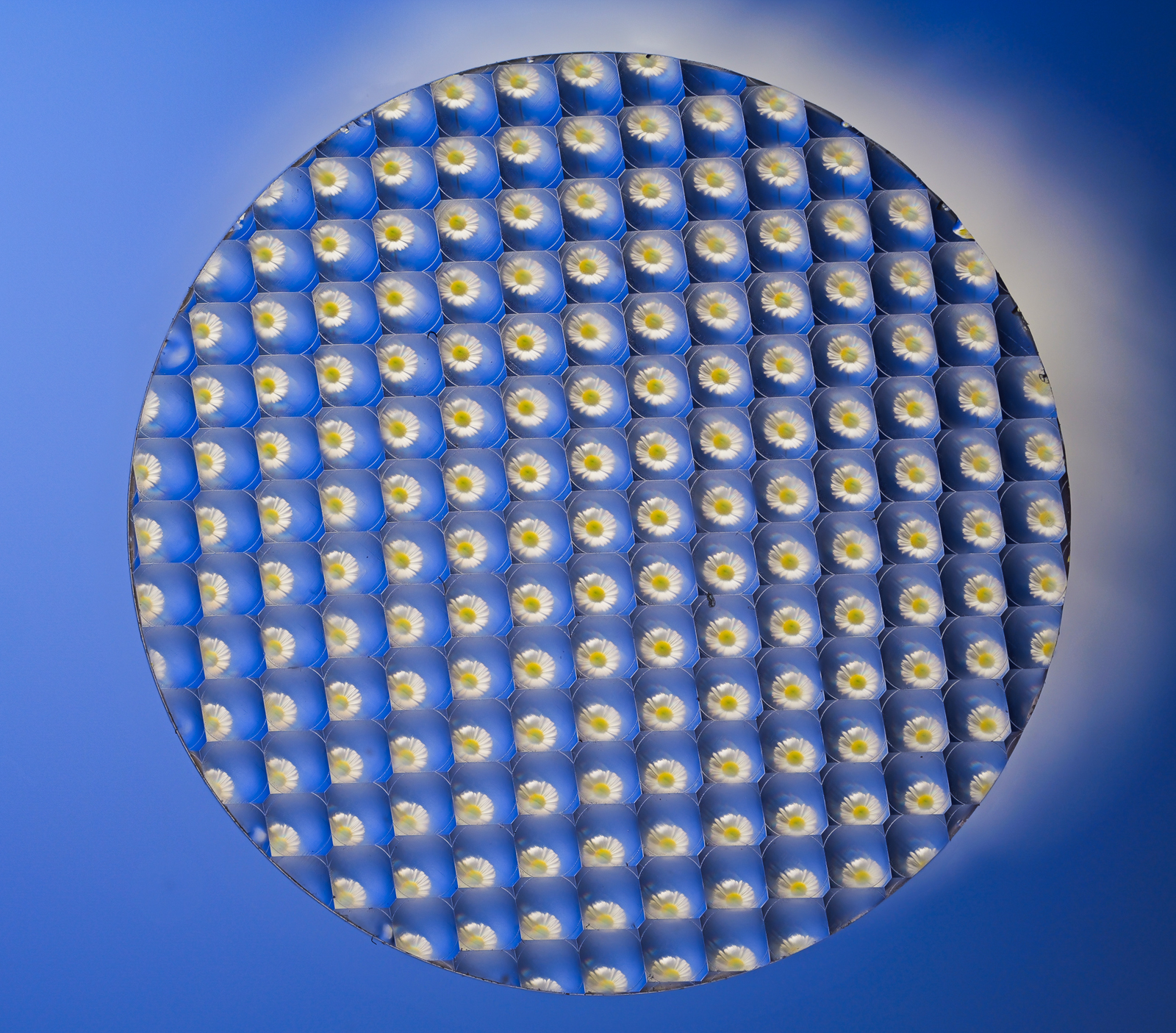
Freeform lenses and lens arrays
SLE technology allows for the production of all types of surface geometries with very high precision, such as optical components.
In terms of the optical quality of the surface, there is a lower limit to the roughness that can be achieved. With optimized parameters and without post-processing, the Ra value is approximately 150 nm.
To achieve optical quality, the surface can be polished.
Electronics and quantum computing
Ion traps
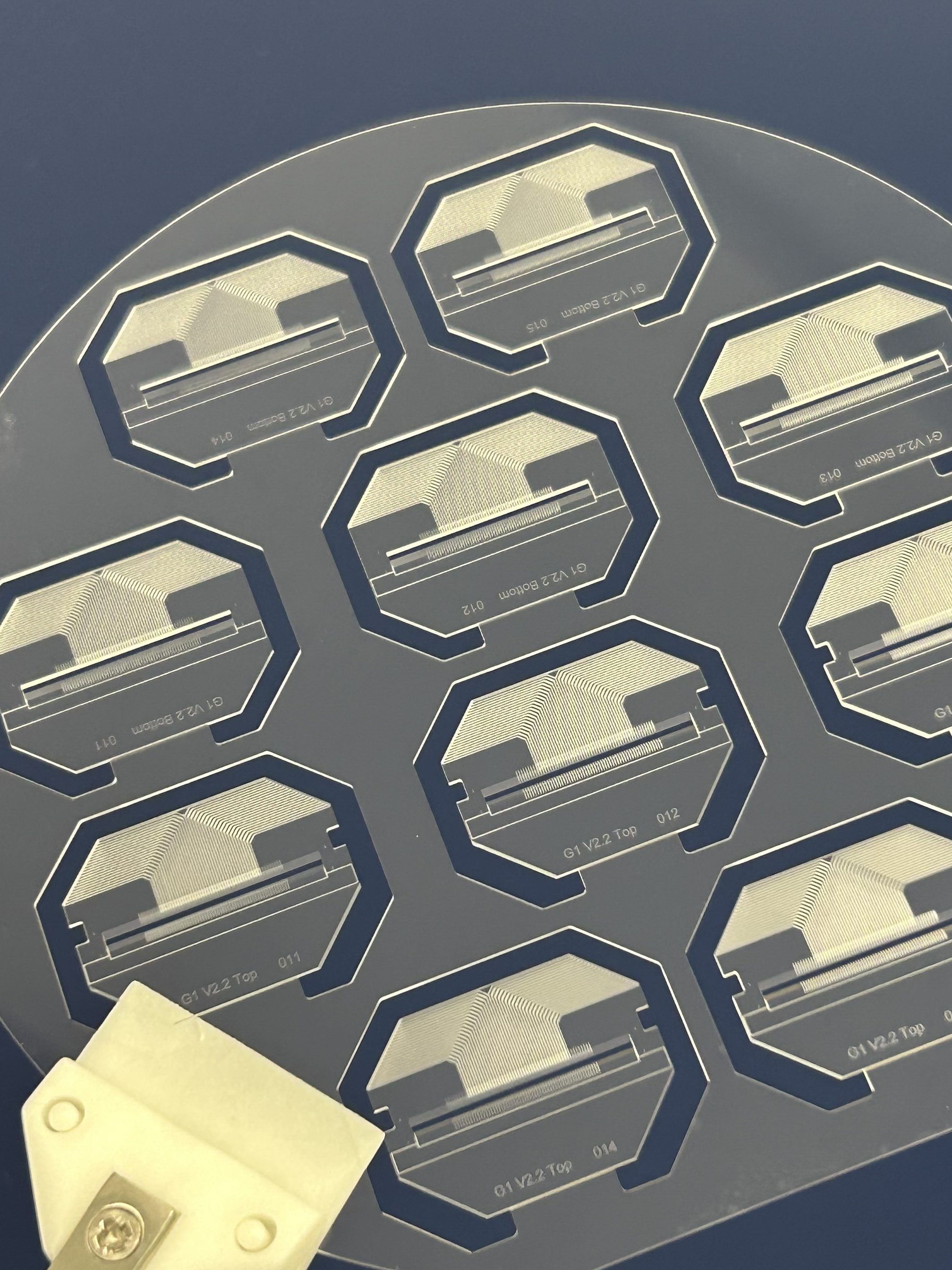
Design by Jan C. Müller & Alexander Müller (JGU Mainz & neQxt GmbH
Two of these chips (Top & Bottom) are later soldered together and coated to form a 3D-Paul-trap.
The fabrication of ion traps from glass dramatically reduces scattering fields and electrical noise, lowers power loss, and provides high optical transparency, enabling better laser access compared to typical silicon-based substrates.
Fiber-Chip coupler
Included features:
- Static clamp inside the fibre connection channels
- Mirror surface at the end of the fiber channel
- Lenses to focus the light on the chip
Heatresistant containers
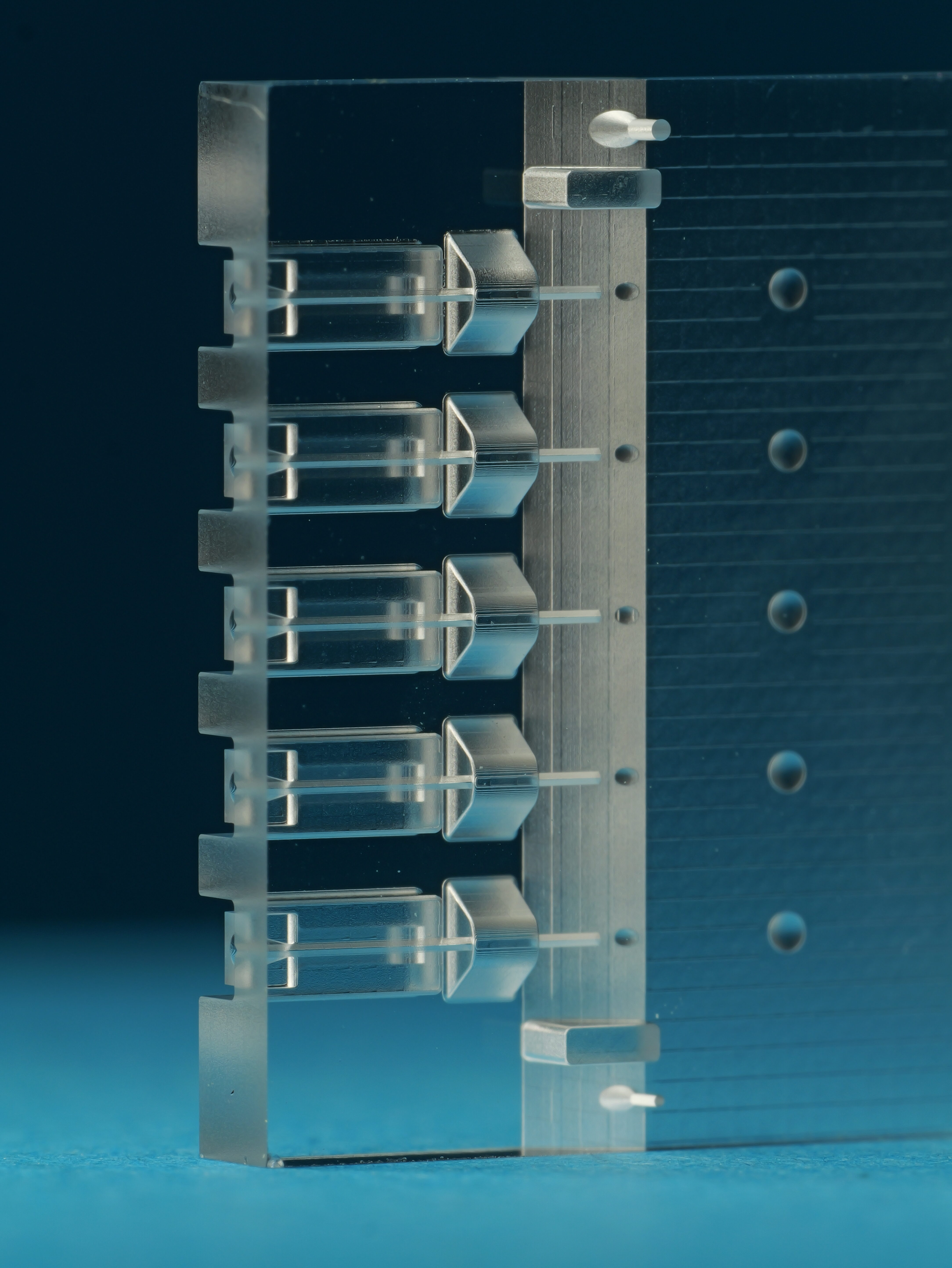
Design by IMPT
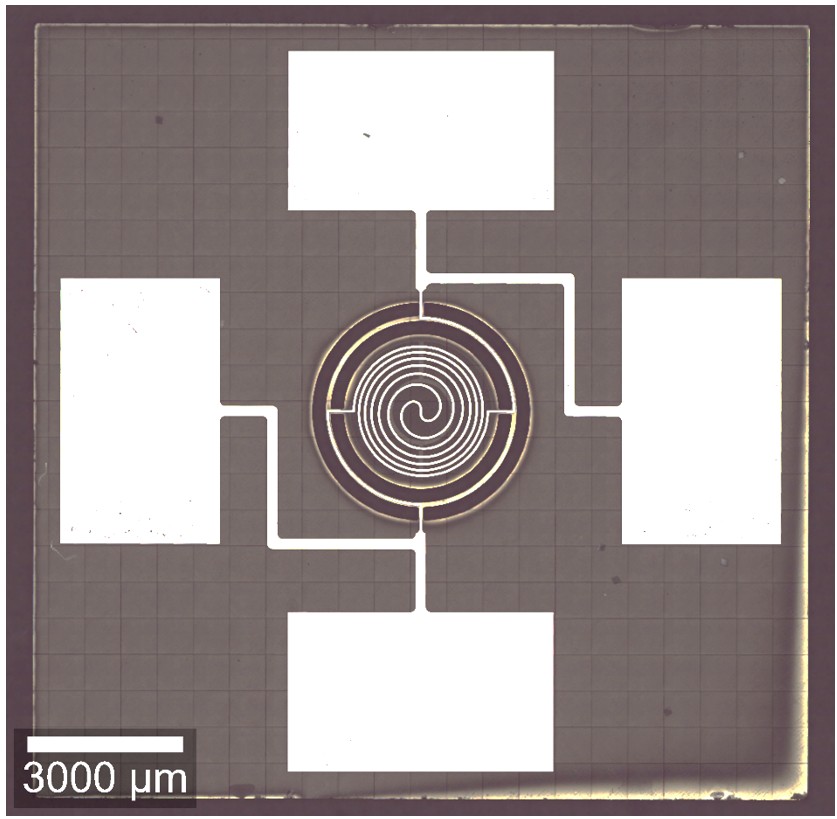
Glass furnace with a microheater for generating specific atoms, such as strontium, for quantum experiments
For his product, the customer needs not only an extremely precise container, but also the benefits of glass properties such as heat resistance and chemical resistance.
Atomic vapor cell
Design by IMPT
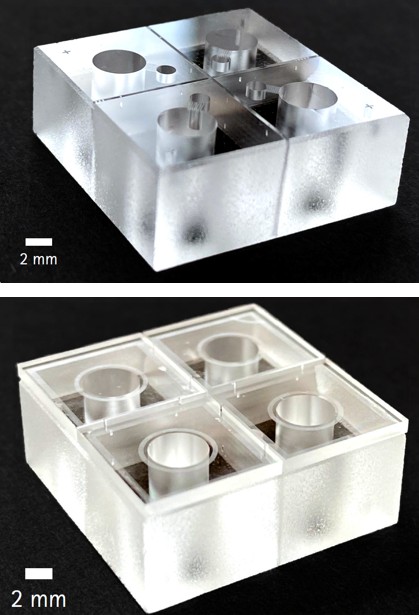
These glass-based vapor cells consist of a structured cavity glass chip (top image) which is hermetically sealed by welding two cover chips (bottom image).
It is also possible to miniaturise the glass-based components, which can find application in miniaturized atomic quantum sensors.
In order to realise the batch
fabrication of the all-glass vapor cells, thin glass bridges can be structured so that separation is simplified.
Contact
Please fill out the following form and send us your request. We'll get back to you as soon as possible.
